
Choosing Abrasive Paper For Home Renovation
Abrasive paper is a must-have item for home renovation, in fact its use really contributes to the overall quality of so many home projects. It is however available in countless types, here’s a short guide on the types and grades of abrasive paper you will encounter during a home remodelling project.
Abrasive Paper?
Abrasive Paper is the term I have chosen to encompass granular abrasives bonded to a flexible backing sheet. In practice, the sheet can be of varying grades of paper or cloth, but paper is the most commonly used material. It comes into its own during DIY projects for all kinds of deburring and surface finishing tasks.
Grades Of Abrasive
Abrasives are given a number corresponding with the size of the grit used. The numbers you will see range from 40 to 1500 grit, the lower the number the coarser the grit. The lower grades of abrasive paper with larger grit sizes are used for heavier jobs and preceding the finer grades. Often you will need to use incrementally higher grades of paper to take a surface from its raw state into one which is smooth enough to take a thin coat of paint flawlessly.
Types Of Paper
The backing material makes a big difference in how the paper can be used. Often the backing material is selected with the appropriate abrasive material for the job in hand. Wet and Dry paper utilises a waxed paper backing enabling it to be successfully used wet, providing the best dust clearance and the finest most consistent finish. General sanding will be happily achieved with paper-backed abrasives, as long as you choose an appropriate abrasive.
Types Of Abrasive
Differing types of abrasives are available. The most basic of which is glass paper, a crushed glass abrasive is used which works well on softwood. But when it comes to longevity and the ability to abrade harder materials, both silicone carbide and Aluminium Oxide abrasives hold the upper hand. Using a better abrasive than you need may be sensible as they cost more, but last significantly longer and give you versatility as to what materials you are able to finish with the range of papers you possess.
A Backing Pad
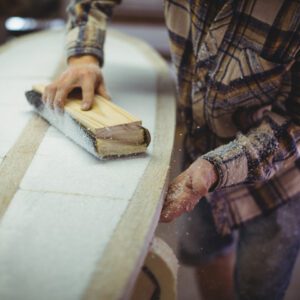
Using abrasive paper freehand is very useful for sanding intricate details and awkward shapes, but for flat surfaces, a sanding block or backing pad will ensure you do not sand your own finger marks into your workpiece.

The Home Renovation Shows Team is led by property experts dedicated to the full lifecycle of building management—from the grit of a structural overhaul to the precision of professional operational hygiene. With a focus on sustainable maintenance and data-driven property care, the team provides actionable insights for both homeowners and business leaders. Whether navigating a DIY renovation or optimizing a commercial workspace, their mission is to ensure every square foot is functional, healthy, and built to last.