

Why Choose Native Plants over Plastic Lawns
Why Choose Native Plants over Plastic Lawns – As we continue to search for ways to reduce our environmental footprint, the discussion around plastic grass has been gaining interest. Plastic grass is widely used in yards and public spaces worldwide — but at what cost?
Not only does plastic grass create an unnatural feel, but it also releases harmful toxins into the environment. The alternative — installing native plants and vegetation in your yard or garden — has numerous benefits, including adding texture and beauty, improving biodiversity, and increasing property value.
The Rise of Plastic Grass
In recent years, plastic grass has become a growing trend in landscaping as a supposed “greener” alternative to natural lawns. But while natural lawns can be an ecological nightmare, plastic grass is made of artificial fibers meant to mimic the look of a natural lawn, and unfortunately, this trend could not be further from green.
Plastic grass creates high levels of microplastic pollution when it breaks down over time. Its production also requires burning diesel and other toxic chemicals that can pollute air and water sources.
Not only that but most plastic grass products are composed entirely of non-renewable or unsustainable materials, which deplete rather than replenish our planet’s resources. Fake grass may seem like an easy solution to traditional lawn maintenance, but the environmental cost simply can’t be overlooked.
Native Plants vs Plastic Grass
Artificial turf might seem appealing due to its supposed minimal upkeep (find out for yourself how little maintenance is required with plastic grass next time a dog does its business on an artificial lawn!). However, plastic grass quickly degrades into microplastics with runoff and leachate that can ultimately enter our waterways.
Native plants are far more suitable for delivering the desired aesthetic look while also helping in the battle against non-native and invasive plant species. Native plants also require fewer resources to maintain their health while providing a home to local wildlife. These considerations make native plants a great choice when designing a landscape that respects the environment.
The Environmental Costs of Plastic Grass
Manufacturing plastic grass requires large amounts of energy, water, and non-renewable resources like petroleum and synthetic materials. This ultimately releases a high number of emissions into the atmosphere.
On top of that, transportation is also a factor. Manufacturers often ship plastic grass hundreds or thousands of miles. Disposal-wise, plastic grass won’t break down in landfills, which can take up valuable space.
Ultimately, native plants are the best option for an eco-friendly landscape that requires minimum maintenance — and is much kinder to the environment than plastic grass.
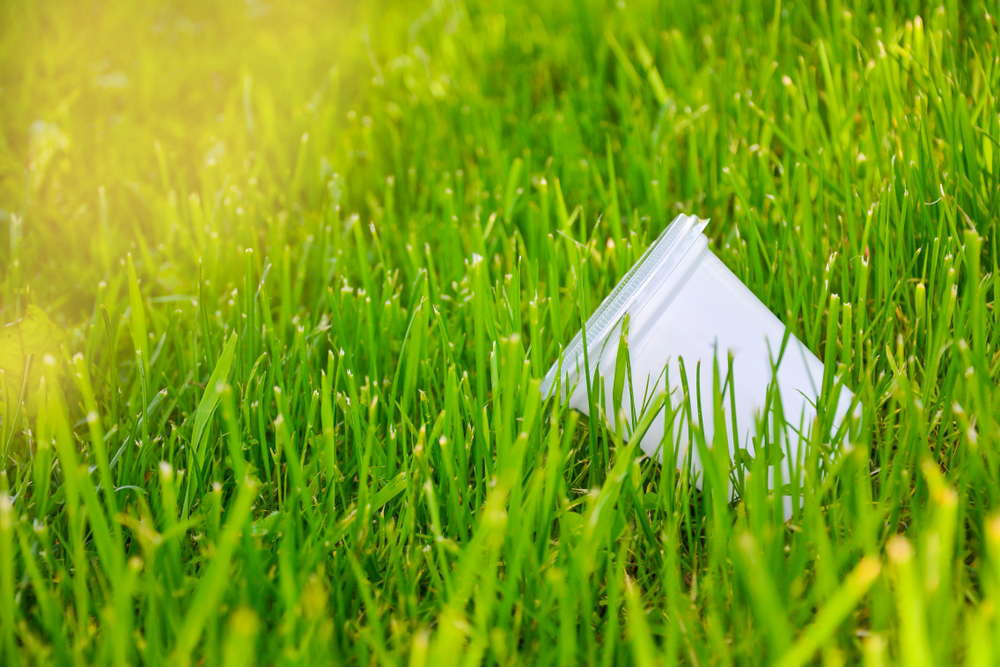
The Financial Impact of Plastic Grass
Plastic grass can seem like a convenient and cost-effective solution for a landscaping project, but its limited lifecycle quickly undermines that assumption. After only 5-10 years of use, it needs to be replaced, meaning the “maintenance-free” lawn won’t save you any money in the long run.
Although buying plastic grass may initially seem like a clever way to save money, you also have to take stock of the long-term investment. For example, you will use specialist cleaners to maintain your plastic grass and keep its color vivid, which makes ongoing costs hard to ignore —and possibly higher than what you would have spent on traditional mowing methods.
The False Claims of Plastic Grass Sellers
Manufacturers and sellers of plastic grass often make false claims of its environmental benefits, such as being water-saving or eco-friendly. In reality, however, this type of artificial grass presents a serious concern for the environment in terms of large-scale production and disposal.
Promises of plastic grass being “greener than real grass” are often accompanied by vague scientific claims that, unfortunately, don’t stand up to scrutiny. Several studies have revealed major environmental detriments and health risks associated with producing, processing, and disposing of fake grass.
Top Reasons to Choose Native Plants over Plastic Grass
Incorporating native plants in the landscape amplifies its potential to be a haven for biodiversity and provide essential habitats for pollinators and wildlife. When plastic grass is replaced with native plants, it’s a win-win both aesthetically and functionally.
The growth rate of native plants means increased infiltration of rainwater and improved soil structure. In turn, this helps reduce the potential of flooding in addition to providing habitats that offer food sources suitable for local birds, mammals, butterflies, and other species of insects. The more native plants planted, the healthier, more diverse urban ecologies become!
Native plants offer a myriad of benefits that plastic grass lawns simply can’t. Native plants are adapted to local climates and regions, meaning they require much less maintenance than plastic grass. They need lower water inputs and can even thrive without fertilizers and pesticides, helping keep the environment and your wallet healthy.
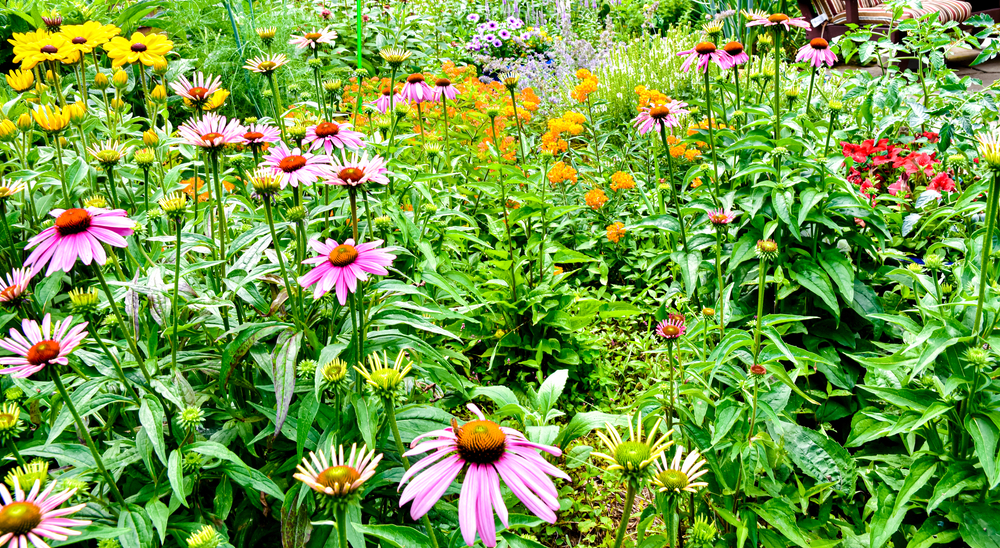
Switching to Native Plants
Transitioning from plastic grass to a native plant garden is an exciting and rewarding process. Start by researching what plants are native to your area and will thrive in your local environment. The quickest and easiest way to do this is to use a ZIP code native plant finder.
Consider what wildlife or insects you want to attract to your garden, such as butterflies and hummingbirds, then choose the plants this wildlife loves! Do some research at your local library or online about plants particular to your region for great advice about when to plant, how much care each type of plant requires, watering needs, etc.
Creating a native garden is an enjoyable experience that connects us directly to our environment and reaps many benefits, including cleaning the air we breathe!
Ditch the Plastic and Go Native
It’s no secret that plastic grass can have a damaging impact on the environment. From the use of hazardous materials in production and disposal to the potentially toxic synthetic chemicals used to clean, maintain and protect it, artificial grass has earned its reputation as a foe of our precious natural resources.
However, when it comes to marketing their products, many manufacturers and sellers don’t play by the rules and make false claims about plastic grass’s environmental benefits for the sake of profit.
Fortunately, native plants provide a great eco-friendly alternative because they:
- Require much less water than non-native species
- Don’t need chemical treatments or fertilizers to survive and thrive
- Bring more local biodiversity into our yards
- Promote more eco-friendly lawn maintenance practices
- Require fewer resources overall.
In other words, using native plants is better for people and the planet! Native plant species are the key to creating a thriving, biodiverse landscape and supporting local wildlife.
Instead of relying on unsustainable maintenance practices that harm the environment, a landscape filled with native plants will make gardening more effortless and enjoyable for everyone involved. With their vast array of shapes, colors, and textures, native plants bring life and character to any outdoor space. Let’s make the switch together and help spread the word about why plastic grass should be left in the past!
*Collaborative post

The Home Renovation Shows Team is led by property experts dedicated to the full lifecycle of building management—from the grit of a structural overhaul to the precision of professional operational hygiene. With a focus on sustainable maintenance and data-driven property care, the team provides actionable insights for both homeowners and business leaders. Whether navigating a DIY renovation or optimizing a commercial workspace, their mission is to ensure every square foot is functional, healthy, and built to last.