
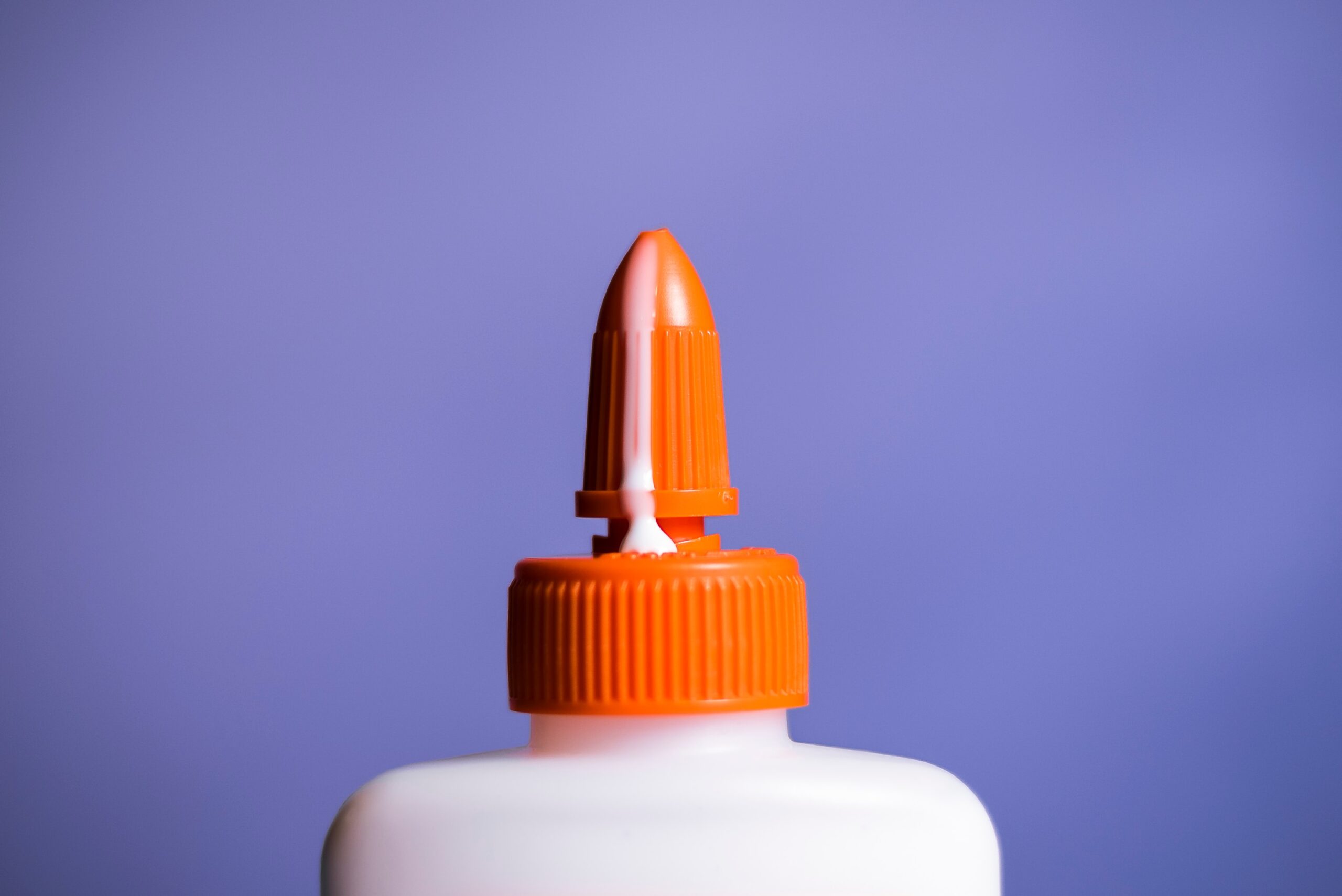
Mastering the Art of Adhesion: How to Choose the Perfect Adhesive for Any Project
Mastering the Art of Adhesion: How to Choose the Perfect Adhesive for Any Project – Adhesives play a crucial role in a wide range of projects, from simple crafts to complex industrial applications. Whether you’re bonding materials together, repairing broken objects, or creating something new, choosing the right adhesive is essential for a successful outcome. In this article, we will explore the world of adhesives, understanding their different types and properties. We will also delve into the factors to consider when selecting an adhesive, provide a step-by-step guide to help you make the perfect choice, and offer tips for proper application and troubleshooting. So, let’s dive in and master the art of adhesion!
Understanding Different Types of Adhesives and Their Properties
Before you pick the perfect adhesive, it’s important to know adhesives come in various forms, each with its unique characteristics and bonding properties. It is crucial to understand these differences to select the adhesive that best suits your project’s requirements. The most common types of adhesives include:
1. Cyanoacrylate Adhesives: Also known as super glues, cyanoacrylate adhesives are ideal for bonding materials such as plastic, rubber, and metal. They offer high strength and fast curing times, making them the perfect adhesive for quick fixes and small-scale projects.
2. Epoxy Adhesives: Epoxy adhesives are versatile and widely used in both industrial and DIY applications. They provide excellent bonding strength, chemical resistance, and durability. Epoxy adhesives are suitable for various materials, including wood, metal, ceramics, and composites. Epoxies are the perfect adhesive in many situations.
3. Polyurethane Adhesives: Known for their flexibility and resistance to impact, polyurethane adhesives are commonly used in construction and automotive industries. They bond well with a wide range of substrates and offer good resistance to water, temperature variations, and chemicals. Polyurethanes have the ability to be the perfect adhesive for you too.
4. Silicone Adhesives: Silicone adhesives are highly flexible and resistant to extreme temperatures, making them ideal for applications requiring both bonding and sealing properties. They are commonly used in electronics, automotive, and medical industries. Often the perfect adhesive where water resistance and hygienic surfaces require sealing.
5. Acrylic Adhesives: Acrylic adhesives provide excellent bonding strength, transparency, and resistance to environmental factors such as UV light and moisture. They are commonly the perfect adhesive in signage, displays, and construction projects.
Understanding the properties of each adhesive type will help you determine which one is best suited for your project. Consider factors such as bonding strength, flexibility, curing time, temperature resistance, and compatibility with your project’s substrate.
Factors to Consider When Choosing the Perfect Adhesive
Selecting the perfect adhesive requires careful consideration of several factors. These factors will ensure that the adhesive you choose is compatible with your project’s requirements and the materials involved. Here are the key factors to keep in mind:
1. Substrate Compatibility: Different adhesives bond well with specific substrates. Consider the materials you are bonding and ensure that the adhesive is designed to work effectively with those materials. For example, if you are bonding metal, look for an adhesive specifically formulated for metal bonding.
2. Adhesive Strength: The strength of the bond required for your project is an essential consideration. Some projects require high-strength adhesives, while others can be accomplished with medium or low-strength options. Determine the load-bearing requirements of your project and select an adhesive with the appropriate strength.
3. Waterproof Properties: If your project will be exposed to moisture or water, it is vital to choose an adhesive with waterproof properties. Not all adhesives are resistant to water, so ensure that the one you select can withstand the environmental conditions it will be subjected to.
By considering these factors, you can narrow down your adhesive options and choose the one that best meets your project’s needs.
Common Applications and Projects That Require Adhesives
Adhesives find applications in various industries and projects. Understanding some of the common applications will give you insights into where adhesives can be utilized effectively. Here are a few examples:
1. Woodworking: Adhesives are extensively used in woodworking projects, including furniture manufacturing, cabinetry, and joinery. They provide strong bonds between wooden pieces, eliminating the need for visible fasteners.
2. Automotive Repairs: Adhesives play a crucial role in automotive repairs, such as bonding panels, attaching trim pieces, and fixing interior components. They provide structural integrity and reduce the weight of the vehicle.
3. Electronics Assembly: Adhesives are vital in the assembly of electronic devices, securing components onto circuit boards and ensuring electrical connectivity. They also offer protection against moisture and vibrations.
4. Construction: In the construction industry, adhesives are used for various applications, including tile installation, flooring, insulation, and concrete bonding. They provide durable and long-lasting bonds between different building materials.
5. Arts and Crafts: Adhesives are an essential tool for artists and crafters. They enable the creation of intricate and decorative pieces by bonding different materials such as paper, fabric, and beads.
These are just a few examples of the wide range of projects and industries that rely on adhesives. It is crucial to identify the specific requirements of your project to choose the right adhesive for optimal results.

Step-by-Step Guide on How to Choose the Perfect Adhesive for Your Project
Choosing the perfect adhesive for your project can seem overwhelming, given the vast array of options available in the market. However, by following a systematic approach, you can simplify the selection process and make an informed decision. Here is a step-by-step guide to help you choose the perfect adhesive:
1. Identify Your Project’s Requirements: Determine the specific needs of your project, such as the materials to be bonded, the load-bearing requirements, and the environmental conditions the adhesive will be subjected to.
2. Research Adhesive Types: Familiarize yourself with the different types of adhesives and their properties. Consider the information provided earlier in this article to understand the strengths and limitations of each adhesive type.
3. Assess Substrate Compatibility: Ensure that the adhesive you choose is compatible with the materials you are bonding. Check the manufacturer’s recommendations and test the adhesive on a small, inconspicuous area if necessary.
4. Consider Strength Requirements: Evaluate the strength requirements of your project and select an adhesive with the appropriate strength. High-strength adhesives are suitable for load-bearing applications, while low-strength options may be sufficient for lighter tasks.
5. Evaluate Waterproof Properties: If your project will be exposed to water or moisture, choose an adhesive with waterproof properties. Look for adhesives specifically designed for such conditions.
6. Compare Brands and Products: Research different adhesive brands and products available in the market. Consider factors such as reputation, customer reviews, and product specifications to narrow down your options.
7. Seek Expert Advice: If you are uncertain about the adhesive selection, consult with experts or professionals in the field. They can provide valuable insights and recommendations based on their experience.
By following these steps, you can confidently select the perfect adhesive for your project, ensuring a strong and durable bond.
Tips for Proper Adhesive Application and Surface Preparation
Choosing the right adhesive is only half the battle; proper application and surface preparation are equally important for a successful bond. Here are some tips to ensure optimal results:
1. Clean and Prepare the Surfaces: Before applying the adhesive, ensure that the surfaces to be bonded are clean, dry, and free from dust, grease, or any contaminants. Use appropriate cleaning agents and techniques according to the material being bonded.
2. Apply the Adhesive Correctly: Follow the manufacturer’s instructions for the adhesive application. Use the recommended tools and techniques to achieve an even and consistent layer of adhesive.
3. Allow Sufficient Curing Time: Adhesives require time to cure and develop their full strength. Follow the recommended curing time provided by the manufacturer before subjecting the bond to any stress or load.
4. Consider Clamping or Fixturing: In some cases, using clamps or fixtures can help ensure a strong and secure bond. Follow the manufacturer’s recommendations for clamping pressure and duration.
5. Avoid Excessive Application: Applying too much adhesive can result in weak bonds or messy joints. Apply the adhesive sparingly, following the manufacturer’s recommended amount.
By following these tips, you can enhance the performance of the adhesive and achieve a strong and durable bond.
Comparing Different Adhesive Brands and Products on the Market
The market is flooded with various adhesive brands and products, making it challenging to choose the right one. To make an informed decision, it is essential to compare different options based on specific criteria. Here are some factors to consider when comparing adhesive brands and products:
1. Reputation and Reliability: Research the reputation and reliability of the adhesive brand. Look for brands that have been in the industry for a significant period and have a track record of producing high-quality adhesives.
2. Customer Reviews and Feedback: Read customer reviews and feedback on different adhesive products. Pay attention to both positive and negative reviews to get a comprehensive understanding of the product’s performance and limitations.
3. Product Specifications: Compare the specifications of different adhesive products, such as bonding strength, curing time, temperature resistance, and waterproof properties. Look for products that align with your project’s requirements. The specification will help you choose the perfect adheasive.
4. Manufacturer Support and Resources: Consider the level of support and resources provided by the adhesive manufacturer. Look for brands that offer technical assistance, application guides, and troubleshooting resources. Perfect adhesives have manufacturer support.
5. Price and Value for Money: While price should not be the sole determining factor, it is essential to consider the adhesive’s cost and overall value for money. Compare prices across different brands and products, taking into account the performance and features offered.
By considering these factors, you can narrow down your options and select the adhesive brand and product that best suits your project’s needs.
Importance of Proper Storage and Handling of Adhesives
Proper storage and handling of adhesives are crucial for maintaining their effectiveness and extending their shelf life. Here are some important considerations if you wish your perfect adhesive to remain perfect.
1. Temperature and Humidity Control: Adhesives are sensitive to temperature and humidity variations. Store them in a cool, dry place, away from direct sunlight and extreme temperature fluctuations to help your perfect adhesive remain in good shape.
2. Seal Containers Properly: Ensure that adhesive containers are tightly sealed after each use. This prevents air and moisture from entering, which can lead to premature curing or degradation of even the perfect adhesive.
3. Follow Expiration Dates: Adhesives have a limited shelf life, and their effectiveness may diminish over time. Check the expiration dates on the adhesive containers and dispose of any expired products.
4. Use Proper Dispensing Tools: Use the recommended dispensing tools for each adhesive type. This ensures accurate and controlled application, minimizing waste and mess.
5. Follow Safety Precautions: Adhesives may contain hazardous chemicals, so it is essential to follow the manufacturer’s safety guidelines. Wear appropriate protective gear, work in well-ventilated areas, and dispose of adhesives and containers responsibly.
By following these storage and handling practices, you can maximize the lifespan and performance of your adhesives.
Troubleshooting Common Adhesive Problems and How to Fix Them
Even with careful selection and application of the perfect adhesive, problems can still occur. Here are some common adhesive problems and their potential solutions:
1. Weak Bond: If the bond strength is not sufficient, it may be due to inadequate surface preparation or incompatible adhesive-substrate combination. Ensure that the surfaces are clean and properly prepared, and consider using a different adhesive with better compatibility.
2. Premature Curing: Premature curing can occur if the adhesive is exposed to excessive heat or moisture. Store the adhesive in the recommended conditions and avoid exposing it to extreme environments.
3. Excessive Adhesive Squeeze-Out: Excessive adhesive squeeze-out can result in messy joints and weak bonds. Apply the adhesive sparingly and use clamps or fixtures to control the adhesive flow.
4. Poor Waterproofing: If the perfect adhesive fails to provide the desired waterproofing, consider using a different adhesive specifically formulated for water resistance. Ensure that the adhesive is applied and cured according to the manufacturer’s instructions.
5. Difficult Clean-Up: Some even perfect adhesives can be challenging to clean up once cured. Follow the manufacturer’s recommendations for adhesive removal, and consider using appropriate solvents or cleaning agents.
If you encounter any adhesive problems, consult the manufacturer’s resources or seek expert advice to identify the cause and find a suitable solution.

Conclusion: The Key to Successful Projects Lies in Choosing the Perfect Adhesive
Adhesives are an indispensable tool in a wide range of projects, offering strong and durable bonds between various materials. By understanding the different types of adhesives, considering key factors in the selection process, and following proper application techniques, you can master the art of adhesion. Remember to compare different adhesive brands and products, store and handle adhesives properly, and troubleshoot any problems that may arise. With the right adhesive, you can confidently embark on your projects, knowing that you have chosen the perfect adhesive for optimal results. So, go ahead, explore the possibilities, and let your creativity soar with the power of adhesion!

The Home Renovation Shows Team is led by property experts dedicated to the full lifecycle of building management—from the grit of a structural overhaul to the precision of professional operational hygiene. With a focus on sustainable maintenance and data-driven property care, the team provides actionable insights for both homeowners and business leaders. Whether navigating a DIY renovation or optimizing a commercial workspace, their mission is to ensure every square foot is functional, healthy, and built to last.