

Designing with Play in Mind: How to Integrate Kids’ Toys into Every Room
Designing with Play in Mind – In today’s homes, where space is often at a premium, integrating children’s toys into living spaces has become an art form. Beyond merely storing toys out of sight, many parents are transforming everyday objects into interactive decor, creating spaces where play seamlessly merges with daily life. This approach not only keeps the home organised but also promotes a welcoming, playful environment for children. Whether you’re working with garden toys for toddlers or more structured Montessori climbing toys, integrating them creatively into every room of your home offers an appealing balance of style and functionality. Here’s how you can design your home with play in mind.
Designing with Play in Mind
1. Living Room: Embrace a Playful Centrepiece
The living room is often the heart of the home, and it’s the ideal place to blend child-friendly decor with a touch of sophistication. Montessori climbing toys, for example, offer a structured yet safe way for young children to engage in physical play. Instead of tucking them away in a separate playroom, consider positioning a small climbing frame in a corner with soft rugs or cushions below. Many Montessori climbing toys come in beautiful wood finishes, making them a natural fit for any modern or Scandinavian-inspired living room.
You might also invest in multi-functional furniture such as storage ottomans or coffee tables with in-built storage. These allow toys to be easily stowed when not in use, keeping the space tidy and accessible for adult gatherings. Decorative baskets made from natural materials like wicker or rattan can also be placed around the room to store smaller toys. These baskets not only make for charming decor elements but also make it easy for children to clean up independently after playtime.
2. Dining Area: Interactive Seating and Display
The dining area can be a perfect spot for creativity and interaction, especially during mealtime. Consider incorporating a small, child-sized table next to the main dining table, where toddlers can sit and engage in simple activities like colouring or playing with toys. This space encourages independence, allowing young children to feel included in family meals while still enjoying their own area.
To add a playful touch to the dining decor, display your child’s favourite toys on open shelves. This works particularly well with aesthetically pleasing wooden toys, as they double as decor when displayed creatively. Opt for shelves that are within reach of toddlers so they can independently select their toys during play. Additionally, if you have an outdoor dining area, garden toys for toddlers like small sandpits, water tables, or outdoor play kitchens can be positioned nearby. This setup allows children to play safely within sight while adults enjoy outdoor meals or gatherings.
3. Kitchen: Miniature Play Stations
The kitchen is an active, bustling area in any home, and children naturally want to be involved. Create a miniature play station in your kitchen where your child can “cook” alongside you. For instance, set up a small play kitchen against one wall or provide a low cabinet with easy-access cooking tools and play food.
Another Montessori-inspired addition is a learning tower, a small, sturdy step stool that allows toddlers to reach the kitchen counter safely. With a learning tower, children can help with safe tasks like stirring, pouring, or washing vegetables. It’s both a practical and educational piece of furniture that encourages hands-on learning and fosters independence. Having child-sized tools such as small wooden spoons and rolling pins also encourages engagement and allows children to feel genuinely involved in the kitchen’s activities.
4. Bedroom: Playful Yet Organised
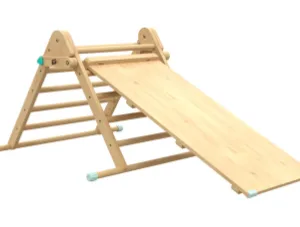
A child’s bedroom should be a sanctuary of play, comfort, and rest. Montessori climbing toys, such as Pikler triangles or wooden arches, can add a wonderful play dimension to a bedroom. They promote physical activity, coordination, and imaginative play, transforming the bedroom into a mini play gym. When placed strategically, these toys also add a touch of natural wood decor that complements most interiors.
Storage solutions are key in a bedroom, so consider using open, child-accessible shelves where toys are displayed attractively and accessibly. Toy rotation is a great technique here: display a limited number of toys on the shelves, changing them periodically. This keeps playtime fresh and organised. You can also use soft, fabric storage bins at the bottom of the closet or under the bed to store larger toys out of sight when they’re not in rotation.
5. Bathroom: Bath-Time Fun and Decor
The bathroom is another space where toys can blend with decor to create a playful, inviting atmosphere. Brightly coloured bath toys are easily incorporated into bathroom design by using a hanging net or suction shelves to store them neatly between uses. Opt for high-quality, non-toxic bath toys that look appealing and are safe for toddlers.
If you have space, consider a small, low shelf where children’s toiletries, towels, and bath toys can be kept within their reach. This fosters independence, as toddlers can learn to fetch and put away their items after bath time. Using a designated basket for bath toys that fits in with the bathroom decor – such as a natural wood or woven basket – ensures that they’re always within reach and adds to the room’s aesthetic.
6. Garden and Outdoor Spaces: Blending Play with Nature
For homes with outdoor spaces, garden toys for toddlers are a great way to integrate play into the natural environment. Look for toys that blend with the surroundings, such as wooden mud kitchens, sand tables, or small planter boxes where children can grow flowers or herbs. These encourage children to explore, play, and learn while developing a love for nature.
Another fantastic option is an outdoor climbing frame or slide. Many of these outdoor toys come in natural wood finishes, which help them blend seamlessly with the garden landscape. By choosing wooden climbing structures or using earth-toned play equipment, you create an outdoor space that is both a playground and an inviting garden area for the entire family. Outdoor toys also often provide sensory experiences – like sand, water, and soil – that support child development and add depth to your garden decor.
7. Hallways and Entryways: An Inviting Transition
The hallway or entryway is usually the first part of the home that guests see, and it can be a surprising yet practical area to incorporate playful elements. Add a child-sized bench or coat rack at a height children can easily reach, so they can independently put on or take off their coats and shoes. A small basket or box for storing toys or outdoor gear can also be placed here, keeping the space tidy and ensuring that favourite toys are easily accessible.
Additionally, consider using the walls in your hallway to display your child’s artwork or school projects. Simple frames or clipboards allow you to easily change the artwork, making it an evolving display that celebrates your child’s creativity while adding a unique and personal touch to your home decor.
In Summary
Designing a home with play in mind does not mean sacrificing style or elegance. By carefully integrating toys like Montessori climbing toys and garden toys for toddlers into each room, you create a family-friendly environment that is both functional and beautiful. From the living room to the garden, every space can offer children opportunities to explore, learn, and engage in play without compromising the overall aesthetic of the home. This approach allows your home to grow with your children, fostering creativity, independence, and joy in every corner.

The Home Renovation Shows Team is led by property experts dedicated to the full lifecycle of building management—from the grit of a structural overhaul to the precision of professional operational hygiene. With a focus on sustainable maintenance and data-driven property care, the team provides actionable insights for both homeowners and business leaders. Whether navigating a DIY renovation or optimizing a commercial workspace, their mission is to ensure every square foot is functional, healthy, and built to last.