
Ask most adults what they wish they had been taught earlier, and very few say algebra. They say things like budgeting, cooking a proper meal, or fixing the small things that go wrong around the house. These are the skills that quietly shape how confident and capable a young person feels once they leave home.
The good news is that practical skills can be built up gradually, long before a child moves out. Here is a sensible order to work through them, from the simplest starting points to the habits that take a little more patience.
Practical Skills Children Rarely Learn in the Classroom
Step one: start in the kitchen
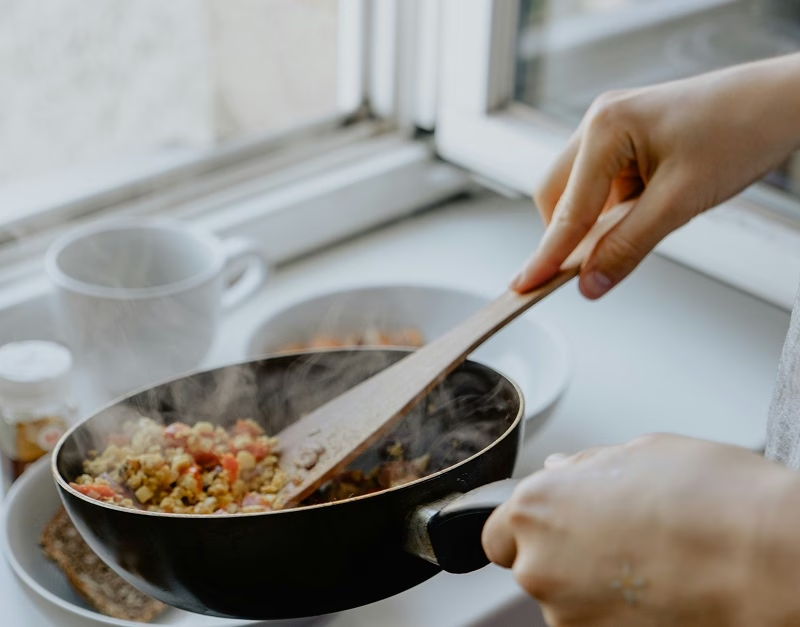
Cooking is the perfect first skill because it rewards effort almost immediately. Begin with something forgiving, such as scrambled eggs or a simple pasta sauce. The aim is not a perfect dish but familiarity with heat, timing and following a method.
Let children make mistakes here. A slightly overcooked meal teaches more than a lecture ever will, and it builds the kind of quiet resilience that carries into harder tasks.
Step two: teach money as a daily habit
Numbers on a page feel abstract, but money spent is real. Give children a small, regular amount to manage and let them decide how to use it. If it runs out before the week ends, resist the urge to top it up.
Over time, introduce the idea of saving towards something specific. Watching a total grow towards a goal does more to explain patience and planning than any worksheet. This is also where schools that take a rounded view of education can reinforce what happens at home. Many of the broader life skills children pick up come from settings that value character and independence alongside academic results, and parents can find a strong example of this ethos at Surbiton High School, which encourages pupils to develop confidence and independence beyond the curriculum.
Step three: tackle basic home maintenance
Once a child is comfortable in the kitchen and with money, move on to the house itself. Start small and safe. Changing a lightbulb, unblocking a sink, resetting a tripped fuse, and using a screwdriver properly are all achievable for most primary-age children with supervision.
Work through one task at a time and explain the why behind each step. Knowing how something works makes a child far less likely to panic when it stops working.
Step four: build everyday organisation
Practical skills are not only physical. Keeping a tidy room, packing a bag the night before, and writing a simple to-do list are habits that reduce stress for the whole family. Encourage children to take ownership of their own routines rather than relying on constant reminders.
A useful trick is to let natural consequences do the teaching. A forgotten PE kit, remembered the hard way, tends to stick far better than nagging.
Step five: grow confidence through responsibility
The final step is handing over genuine responsibility. This might mean cooking one family meal a week, managing a small weekly budget, or being in charge of a household chore from start to finish. Responsibility is where all the earlier skills come together.
Praise effort rather than outcome. A child who tries, fails, and tries again is learning something far more valuable than getting it right first time.
A quick note on patience
None of this happens overnight, and progress is rarely neat. Some weeks will feel like a step backwards, and that is entirely normal. The goal is steady exposure, not perfection. Children who are trusted with real tasks grow into adults who feel capable, and that confidence tends to spread into schoolwork and friendships too.
Start with one skill this week. Keep it small, keep it regular, and build from there. Over a year, those small moments add up to a young person who is genuinely ready for the world beyond the front door.
To explore how independence and practical learning can sit alongside strong academic foundations, visit https://surbitonhigh.com.
—
*This article was contributed by the team at Surbiton High School, an independent day school in Surbiton, Surrey, educating boys and girls from the early years through to sixth form. The school is part of the United Learning group and is known for pairing high academic standards with a broad, character-building approach that helps pupils develop confidence, independence and practical life skills.*

The Home Renovation Shows Team is led by property experts dedicated to the full lifecycle of building management—from the grit of a structural overhaul to the precision of professional operational hygiene. With a focus on sustainable maintenance and data-driven property care, the team provides actionable insights for both homeowners and business leaders. Whether navigating a DIY renovation or optimizing a commercial workspace, their mission is to ensure every square foot is functional, healthy, and built to last.


