
How Can Kids Have Fun and Boost Skills at the Same Time?
Have Fun and Boost Skills – As parents, we’re constantly searching for ways to help our children grow, learn, and develop in fun and engaging ways. One of the best ways to achieve this is through play. It’s a well-known fact that children learn best when they’re having fun, but how exactly can play be structured to give them the most benefit? How can active tots engage in activities that entertain and boost essential skills? Let’s dive into how creative and educational play can be a game-changer for young minds.
Have Fun and Boost Skills
1. The Power of Active Play
When we think about play, it often conjures up images of children running around, laughing, and using their imaginations. But play is much more than just fun and games. Active play, in particular, is an excellent way for kids to develop physically, mentally, and socially.
For active tots, playtime offers opportunities to improve coordination, balance, and muscle strength. Activities like jumping, climbing, or even playing simple sports can help them understand their bodies and increase their physical confidence. But it doesn’t stop at physical development. Active play also engages their brains, requiring them to think quickly, solve problems on the go, and learn about their limits.
Encouraging children to engage in creative, physically active games – such as obstacle courses, tag, or even just imaginative role play outdoors – helps them develop gross motor skills while keeping them entertained and energetic. This also promotes healthy habits, showing children that physical movement can be fun.
2. The Role of Educational Toys
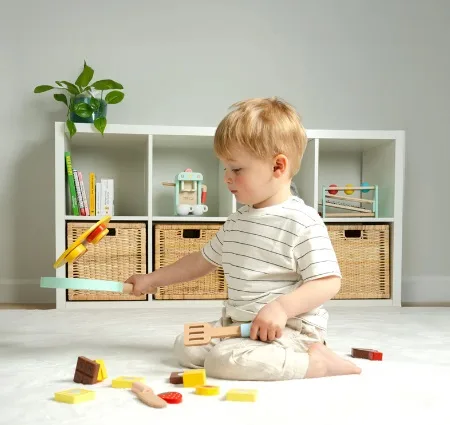
Not all play needs to involve running around; sometimes, the best learning happens during quieter, more focused activities. Specifically designed to encourage development, educational toys keep the fun element alive while helping kids grow. Whether through puzzles, building blocks, or problem-solving games, these toys work to stimulate creativity, critical thinking, and fine motor skills in children.
Educational toys can range from classic items like wooden blocks or shape sorters to more modern interactive gadgets. These toys challenge kids to think, use their hands, and explore new concepts. For example, building a tower out of blocks requires patience, planning, and an understanding of balance and structure, all essential problem-solving skills that will benefit them in the long run.
When children engage with educational toys, they aren’t just playing; they experiment, test ideas, and work through challenges. By giving them the tools to explore and learn at their own pace, you’re helping them build critical thinking skills that will serve them well throughout their lives. It’s this blend of fun and learning that makes educational toys such a brilliant investment in a child’s development.
3. How Parents Can Encourage Creative Play
As parents, you play a crucial role in shaping how your children experience play. By encouraging creative play, you give your child the freedom to explore their imaginations, experiment with new ideas, and solve problems in their own way. Here are a few tips on how you can foster an environment that supports creative play:
Provide a Variety of Play Options: Make sure your child has access to a range of toys and activities that promote different types of skills. From educational toys that enhance their cognitive abilities to outdoor games that boost physical development, having a variety of choices keeps things fresh and engaging.
Let Them Lead: Sometimes, the best thing you can do is step back and let your child take charge. Children often create their own imaginative games that challenge their minds in ways adults might not expect. Allowing them to direct their own playtime encourages independence and self-confidence.
Encourage Teamwork and Social Play: Playing with others is an excellent way for children to develop social skills. Whether it’s with siblings, friends, or you as the parent, group play teaches kids about sharing, negotiation, and collaboration – all key life skills. Games that require cooperation or problem-solving as a team can be particularly beneficial.
Join In! Get involved with your child’s playtime. Whether it’s joining them in a game of tag or helping them with a puzzle, playing together strengthens your bond and creates positive memories. Plus, it allows you to subtly guide their play in educational directions while still keeping it fun.
4. The Benefits of Play Are Endless

Play is a vital part of childhood, and it’s not just about keeping kids entertained. Every play session is a learning opportunity, whether it’s active tots running around the garden or quiet time with educational toys. Through play, children build essential physical, cognitive, and social skills that will serve them throughout their lives.
By encouraging creative, engaging, and educational play, parents can give their children the tools to grow into confident, curious, and well-rounded individuals. So, the next time your child is playing, remember – it’s more than just fun. It’s their way of learning about the world around them, one game at a time.
Incorporating a balance of active play and educational toys into their daily routine can be one of the most rewarding and beneficial choices for both parents and children alike. After all, who said learning couldn’t be fun?

The Home Renovation Shows Team is led by property experts dedicated to the full lifecycle of building management—from the grit of a structural overhaul to the precision of professional operational hygiene. With a focus on sustainable maintenance and data-driven property care, the team provides actionable insights for both homeowners and business leaders. Whether navigating a DIY renovation or optimizing a commercial workspace, their mission is to ensure every square foot is functional, healthy, and built to last.