
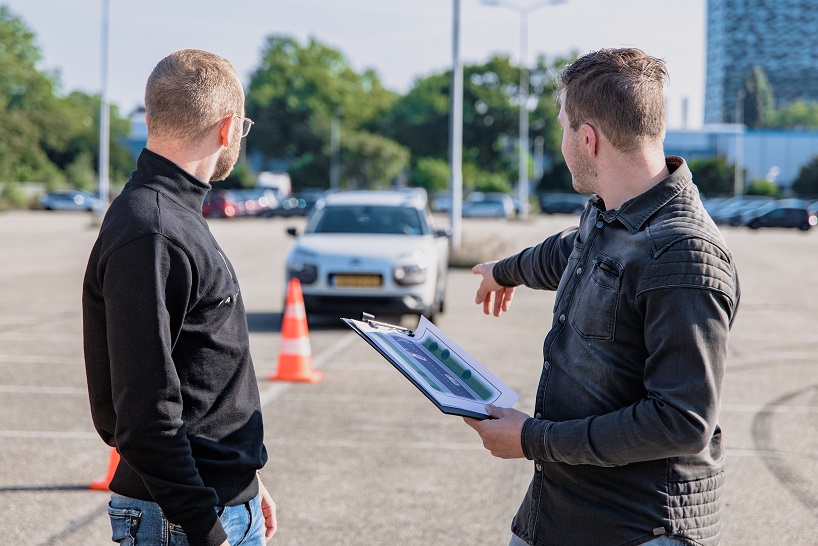
Your Child’s First Year In A Car – A Comprehensive Guide to Learning to Drive in the UK
Learning to drive is an exciting and important milestone in a teenager’s life. As a parent, it’s natural to have concerns and questions about the process. This comprehensive guide aims to provide you with all the information you need to support your child as they embark on their journey to becoming a licensed driver in the UK. From obtaining a provisional licence to finding a suitable driving instructor, purchasing insurance, and preparing for the practical driving test, we’ve got you covered.
Your Child’s First Year In A Car – A Comprehensive Guide to Learning to Drive in the UK
Section 1: Getting Started with Learning to Drive in the UK
1.1 Applying for a Provisional Driving Licence
To begin the process of learning to drive, your child must first apply for a provisional driving licence. This can be done online through the DVLA website. The applicant must be at least 15 years and 9 months old and be able to read a number plate from 20 meters away. The provisional licence typically takes around 1 week to arrive.
1.2 Understanding Learner Driver Insurance
Before your child can start practicing driving, it’s important to ensure they have suitable insurance coverage. Learner driver insurance is specifically designed to protect provisional licence holders during practice sessions. It’s crucial to compare quotes from different insurers to find the best policy for your child’s needs. Learner driver insurance can be purchased for a specific duration and offers benefits such as protecting the No Claims Discount of the main policyholder.
Section 2: Finding a Driving Instructor
2.1 The Role of Approved Driving Instructors (ADIs)
Approved Driving Instructors (ADIs) play a vital role in teaching learner drivers the necessary skills and knowledge to become safe and responsible drivers. When selecting a driving instructor, it’s important to research local instructors, meet them in person if possible, and ask about their experience and pass rates.
2.2 Taking Professional Driving Lessons
Professional driving lessons with a qualified instructor are an essential part of the learning-to-drive process. These lessons provide structured training and guidance, helping your child develop the necessary skills and confidence to become a competent driver. It’s recommended to communicate with the instructor to understand the areas your child is working on and how you can support their learning.
2.3 Supplementing Lessons with Private Practice
In addition to professional driving lessons, private practice can greatly benefit learner drivers. As a parent, you have the opportunity to take your child out for extra practice sessions, which can improve their confidence and readiness for the practical driving test. It’s important to ensure you meet the legal requirements for supervising a learner driver, including holding a full driving licence for at least three years and being qualified to drive the type of vehicle the learner is using.

Section 3: Preparing for the Theory Test when Learning to Drive in the UK
3.1 Understanding the Theory Test
Before your child can take the practical driving test, they must pass the theory test. The theory test consists of two parts: multiple-choice questions and a hazard perception test. It’s essential to study the relevant materials, such as The Highway Code and Know Your Traffic Signs, to prepare for the theory test.
3.2 Using Practice Materials and Apps
To help your child prepare for the theory test, there are various practice materials and apps available. These resources offer mock tests, allowing learners to familiarize themselves with the format and content of the actual test. Popular driving test practice apps include Driving Test Success and RoadHow.
Section 4: Practical Driving Skills
4.1 Starting with the Basics
When your child begins their practical driving lessons, they will learn the fundamental skills necessary for safe and confident driving. This includes adjusting the seat, mirrors, and steering wheel, understanding dashboard controls, using turn signals, headlights, and wipers, and familiarizing themselves with safety features such as airbags and seat belts.
4.2 Developing Vehicle Control
As your child progresses, they will gain experience in controlling the vehicle. This involves practising acceleration, braking, steering, and manoeuvring in different situations. Starting in a low-speed, low-traffic area, such as an empty parking lot, allows learners to focus on these skills without the added pressure of complex traffic conditions.
4.3 Building Awareness and Hazard Perception
Developing good observation skills and being aware of potential hazards is crucial for safe driving. Teach your child to constantly scan the road, check mirrors, and maintain a safe following distance. Emphasize the importance of anticipating and reacting to hazards, such as pedestrians, cyclists, and other vehicles.
4.4 Navigating Different Road Types and Conditions
As your child gains confidence and proficiency, gradually introduce them to different types of roads and traffic conditions. This includes driving on single-lane and multi-lane roadways, changing lanes, merging into traffic, and navigating intersections controlled by stop signs or traffic lights. Practice driving in various weather conditions and at different times of the day to expose your child to different scenarios.
4.5 Advanced Skills and Challenges
Once your child has mastered the basics, it’s important to focus on advanced skills and challenging driving conditions. This may include driving on high-speed highways, navigating complex interchanges, dealing with heavy traffic, and reacting to emergency vehicles. Encourage your child to gain experience in a variety of driving situations to become a well-rounded and confident driver.
Section 5: Preparing for the Practical Driving Test when Learning to Drive in the UK
5.1 Understanding the Practical Driving Test
The practical driving test is the final step before obtaining a full driving licence. It assesses the learner driver’s ability to apply their skills and knowledge in real-world driving situations. The test includes an eyesight check, vehicle safety questions, general driving, reversing manoeuvres, and independent driving using a sat-nav. It’s important to familiarize your child with the test format and requirements.
5.2 Practical Test Booking and Preparation
To book the practical driving test, you can use the DVSA website. It’s recommended to choose a suitable date and time that allows your child to adequately prepare. Help your child understand the test requirements and practice the necessary skills leading up to the test. Utilize the progress recording sheet provided by the DVSA to track your child’s development and identify areas that need improvement.
5.3 Managing Test Nerves and Building Confidence
Test nerves are common among learner drivers. Help your child manage their nerves by providing reassurance, reminding them of their skills and preparation, and encouraging positive thinking. Practice mock tests to familiarize your child with the test environment and build their confidence. Remind them that mistakes are part of the learning process and that remaining calm and focused is key.

Section 6: After Passing the Test
6.1 Transitioning to Full Licence
After successfully passing the practical driving test, your child will transition from a provisional to a full driving licence. It’s important to update their insurance policy to reflect the change and ensure they have appropriate coverage as a fully licensed driver. Discuss responsible driving habits and the importance of ongoing practice to maintain and enhance their skills.
6.2 Continuing Education and Safe Driving Practices
Obtaining a driving licence is just the beginning of your child’s journey as a driver. Encourage them to continue their education by taking advanced driving courses or defensive driving programs. Emphasize the importance of safe driving practices, such as avoiding distractions, obeying traffic laws, and being aware of the risks associated with alcohol and drug use while driving.
Learning to drive is an exciting and transformative experience for both parents and teenagers. By following the steps outlined in this comprehensive guide, you can provide the necessary support and guidance to help your child become a confident and responsible driver. Remember to prioritize safety, practice regularly, and foster a positive and patient learning environment. With dedication and proper preparation, your child will be well-equipped to navigate the roads independently and enjoy the freedom that comes with a driving licence.

The Home Renovation Shows Team is led by property experts dedicated to the full lifecycle of building management—from the grit of a structural overhaul to the precision of professional operational hygiene. With a focus on sustainable maintenance and data-driven property care, the team provides actionable insights for both homeowners and business leaders. Whether navigating a DIY renovation or optimizing a commercial workspace, their mission is to ensure every square foot is functional, healthy, and built to last.

