Elevate Your Garden: Why Slatted Fence Panels Are the Ultimate UK Home Upgrade
When it comes to British gardens, the humble fence has traditionally been seen as a purely functional boundary—something to keep the dog in and the wind out. However, as we increasingly view our outdoor areas as ‘garden rooms’ and extensions of our interior decor, the demand for more stylish solutions has soared.
Read more: Elevate Your Garden: Why Slatted Fence Panels Are the Ultimate UK Home UpgradeUltimate UK Home Upgrade
At a Glance: The Slatted Fencing Essentials
Short on time? Here is everything you need to know about choosing slatted panels for your garden:
- The Look: Sleek, horizontal timber lines that provide a contemporary, “designer” feel.
- The Benefit: Allows light and airflow through the garden while maintaining a clear boundary.
- Privacy Levels: Standard slatted panels offer dappled light; Double Slatted panels provide 100% privacy with a “hit-and-miss” design.
- Durability: Best when made from pressure-treated timber to survive the British winter.
- Best For: Modernising tired gardens, creating wind-resistant boundaries, and screening off utility areas.
If you are looking to refresh your outdoor space this season, fence panels are no longer just about security; they are a design statement. Leading the charge in contemporary garden design are slatted fence panels.
In this guide, we explore why slatted fencing is the go-to choice for UK homeowners and how to choose the right style for your landscape.
The Rise of Contemporary Slatted Fencing
The British weather can be unpredictable, often leaving our gardens feeling closed in by heavy, solid structures. Slatted fence panels offer a sophisticated alternative.
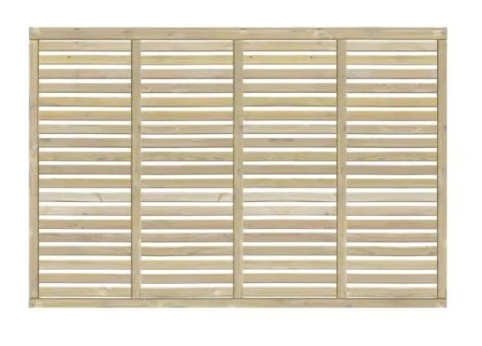
By using horizontal timber slats with small gaps between them, these panels create a sleek, linear look that complements both modern new-builds and traditional period homes.
1. Light and Airy Aesthetics
Unlike traditional closeboard fencing, slatted panels allow dappled sunlight to filter through. This prevents your garden from feeling boxed in and creates beautiful shadow patterns across your lawn or patio throughout the day.
2. Improved Airflow
We’ve all experienced the ‘sail effect’ during a British gale, where solid fences take the full force of the wind. The gaps in slatted fencing allow air to pass through, reducing wind resistance and potentially increasing the longevity of your fence posts.
3. The Best of Both Worlds: Double Slatted Panels
If you love the slatted look but are worried about nosey neighbours, double slatted fence panels are the perfect solution. These feature slats fixed to both the front and the back in a staggered pattern. You get the ultra-modern aesthetic and airflow, but with total privacy.
Essential Considerations for Your Garden Project
Before you order your panels, consider the following:
- Timber Quality: Look for pressure-treated timber to ensure your fence can withstand the damp UK climate without rotting.
- Height Regulations: Remember that most UK residential gardens allow for a maximum height of 2 metres without planning permission.
- Maintenance: While high-quality panels are built to last, a quick coat of UV-resistant oil every couple of years will keep that warm timber glow from fading to silver-grey.
Are slatted fence panels private?
Standard slatted panels have small gaps that allow some visibility. However, double slatted panels (also known as hit-and-miss) offer complete privacy while maintaining the stylish horizontal look.
Do I need special posts for slatted fencing?
Most slatted panels are designed to fit standard timber posts or even concrete slotted posts. Always check the width of the panel (usually 1.8m or 6ft) to ensure they match your existing post centres.
Can I paint slatted fence panels?
Absolutely! While many homeowners prefer the natural wood look, slatted panels look stunning in dark grey (anthracite), black, or sage green to create a high-contrast backdrop for green foliage.
Is horizontal fencing better than vertical?
From a design perspective, horizontal lines draw the eye along the boundary, making a garden feel longer or wider. Vertical fencing is more traditional, but horizontal is currently the preferred choice for contemporary landscaping.

The Home Renovation Shows Team is led by property experts dedicated to the full lifecycle of building management—from the grit of a structural overhaul to the precision of professional operational hygiene. With a focus on sustainable maintenance and data-driven property care, the team provides actionable insights for both homeowners and business leaders. Whether navigating a DIY renovation or optimizing a commercial workspace, their mission is to ensure every square foot is functional, healthy, and built to last.