

The Rise of Electric Vehicles in the UK: How to Prepare Your Home for EV Ownership
The Rise of Electric Vehicles in the UK: How to Prepare Your Home for EV Ownership – In recent years, electric vehicles (EVs) have surged in popularity across the UK. With government initiatives encouraging a shift away from petrol and diesel cars and growing environmental awareness among drivers, it’s no surprise that EVs are becoming a common sight on our roads. From their reduced carbon footprint to the ever-growing charging infrastructure, electric vehicles represent a key step toward sustainable transportation.
For many households, owning an EV also comes with a question: How do you charge it conveniently at home? If you’re considering converting your front garden into a driveway for EV charging, this post will walk you through the process, highlight some common challenges of EV ownership, and explore cost-effective driveway solutions.
The Electric Vehicle Revolution
The UK government has committed to banning the sale of new petrol and diesel cars by 2030, leading to an unprecedented rise in electric vehicles being sold to UK homeowners. Electric vehicles boast numerous benefits:
- Environmental Impact: EVs produce zero tailpipe emissions, significantly reducing air pollution.
- Cost Savings: Charging an EV is generally cheaper than refuelling a traditional car, especially if you charge at home during off-peak hours.
- Technology Advancements: Modern EVs are equipped with cutting-edge features, such as regenerative braking, advanced driver assistance systems, and impressive ranges that rival internal combustion engines.

However, transitioning to an EV isn’t without its challenges, particularly for homeowners who lack a convenient parking or charging solution.
Converting Your Front Garden into a Parking Space
For urban and suburban households, parking can be a premium commodity. Converting your front garden into a driveway is one of the most effective ways to make EV charging at home convenient. Installing a dedicated charging station on your property eliminates the need to rely on public charging points and ensures your EV is always ready to go.
Steps to Convert Your Front Garden
- Apply for Planning Permission: In some cases, you’ll need local council approval to create a driveway, especially if a dropped kerb or other structural changes are required.
- Install a Suitable Driveway Surface: Choose a durable and low-maintenance surface that suits your needs and budget. Options include gravel, block paving, or resin-bound driveways.
- Install a Home Charger: Government grants, such as the EV charge point grant, can help offset the cost of installing a home charger.
Common Challenges of EV Ownership
1. Charging Infrastructure
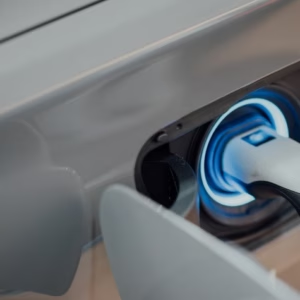
While the UK’s charging network for electric vehicles is growing rapidly, public charging stations can still be inconsistent in availability, reliability, or cost. A home charger is the easiest way to solve this issue, and having a designated parking space ensures easy access.
2. Driveway Maintenance
A poorly maintained driveway can quickly become a headache for EV owners. Uneven surfaces, weeds, or loose debris can damage your car or make installation of a home charger more difficult.
3. Upfront Costs
The initial investment in converting a front garden, installing a charger, and purchasing an EV can feel steep. However, there are cost-effective solutions available to minimize expenses.
Choosing the Right Driveway Surface For Electric Vehicles
Choosing the right driveway material is one of the most important considerations when converting your front garden. Here’s why loose gravel driveways are a cost-effective and practical choice for electric vehicles and their owners:
Benefits of Loose Gravel Driveways
- Cost-Effective: Gravel is one of the cheapest driveway materials available, with a significantly lower upfront cost compared to block paving or resin-bound surfaces. Perfect for electric vehicles.
- Low Maintenance: While gravel requires occasional raking and topping up, it’s easy to maintain and doesn’t require frequent repairs.
- Permeability: Gravel allows rainwater to drain naturally into the ground, reducing the risk of flooding and making it an environmentally friendly option.
- Customizable: Driveway gravel is available in a wide range of colours, but stick to 14mm to 20mm stones to prevent your car tyres picking them up.

Maintenance Tips for Gravel Driveways
- Weed Prevention: Install a geotextile membrane beneath the gravel to prevent weed growth. Keeping weeds down protects your electric vehicles.
- Keep It Level: Regularly rake the gravel to keep the surface even and tidy.
- Top Up as Needed: Add more gravel periodically to maintain an adequate surface depth.
For EV owners, gravel driveways offer an affordable way to create a practical and visually appealing parking space.
Maximizing the Cost Benefits of EV Ownership
While the upfront costs of converting your property for EV use may seem daunting, the long-term savings are significant:
- Lower Fuel Costs: Charging an EV is considerably cheaper than refueling with petrol or diesel.
- Reduced Maintenance: EVs have fewer moving parts, which means lower maintenance costs over their lifetime.
- Government Incentives: Take advantage of grants for home charging installation to reduce expenses further.
Conclusion
The popularity of electric vehicles in the UK is only set to grow, and preparing your home for EV ownership is an important step in making the most of this new technology. Converting your front garden into a driveway, choosing the right surface, and installing a home charger can ensure your EV ownership experience is convenient, cost-effective, and environmentally friendly.
With options like loose gravel driveways providing an affordable and sustainable solution, transitioning to an EV has never been more accessible. Whether you’re already an EV owner or planning to join the revolution, investing in your property today will pay dividends for years to come.
*collaborative post

The Home Renovation Shows Team is led by property experts dedicated to the full lifecycle of building management—from the grit of a structural overhaul to the precision of professional operational hygiene. With a focus on sustainable maintenance and data-driven property care, the team provides actionable insights for both homeowners and business leaders. Whether navigating a DIY renovation or optimizing a commercial workspace, their mission is to ensure every square foot is functional, healthy, and built to last.


