
The Essential Guide to Building a Comprehensive First Aid Kit for Your Home
Why every home needs a first aid kit – As responsible homeowners, we understand the importance of being prepared for emergencies. Having a well-stocked first aid kit is crucial for any household. Accidents can happen at any time, and having the necessary supplies readily available can make a significant difference in providing immediate care. Whether it’s a minor cut, a burn, sunstroke, or a sprained ankle, a first aid kit can help you respond quickly and effectively. In this comprehensive guide, we will take you through the process of building a first aid kit that meets your specific needs and ensures the safety of your loved ones.
Basic components of a first aid kit
To build an effective first aid kit, it’s important to start with the basics. There are a few essential components that every kit should include. These include adhesive bandages in various sizes, sterile gauze pads, adhesive tape, antiseptic wipes, and disposable gloves. These supplies are crucial for treating minor cuts, scrapes, and burns. Additionally, it’s important to have a pair of sharp scissors, tweezers, and a digital thermometer. These tools will come in handy when administering first aid for various injuries or illnesses.
Another crucial component of a first aid kit is a comprehensive first aid manual. This manual serves as a guide and provides step-by-step instructions on how to handle different medical emergencies. It’s important to familiarize yourself with the contents of the manual and keep it easily accessible in case of an emergency. Additionally, including a list of emergency phone numbers, such as local hospitals and poison control centres, is essential for quick access to professional help when needed.
Essential first aid supplies to include
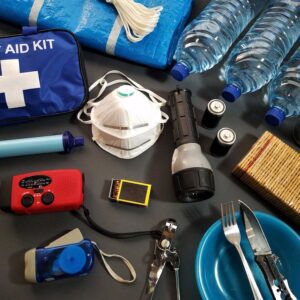
In addition to the basic components mentioned earlier, there are several other supplies that are essential to include in your first aid kit. One such supply is an assortment of over-the-counter medications. Pain relievers such as acetaminophen or ibuprofen can help alleviate discomfort. Antihistamines are useful for allergic reactions, and antacids can provide relief for indigestion. It’s important to check the expiration dates of these medications periodically and replace them as needed.
For more serious injuries, it’s important to have supplies such as sterile eye wash solution, instant cold packs, and a CPR mask. These items can help provide immediate care in case of eye injuries, sprains, strains, or cardiac emergencies. It’s important to remember that while these supplies are crucial, they should only be used if you have received proper training in their administration.
First aid kit organization and storage tips
Organizing and storing your first aid kit properly is essential to ensure its effectiveness when needed. Start by choosing a sturdy container that is easy to access and clearly labelled. A plastic container with dividers or a tackle box works well for organizing the supplies. Separate the items into different compartments based on their categories, such as bandages, medications, and tools. This will make it easier to find what you need quickly during an emergency.
It’s important to regularly check and restock your first aid kit. Set a reminder every few months to go through the supplies and replace any expired items. Additionally, consider storing your first aid kit in a cool, dry place to prevent the deterioration of medications and other perishable items. Make sure to keep it out of reach of children but easily accessible to adults.
Customizing your first aid kit for specific needs
Every household is unique, and it’s important to customize your first aid kit to meet specific needs. If you have children, consider including supplies such as children’s pain relievers, pediatric electrolyte solutions, and child-sized bandages.
If there are elderly or individuals with chronic medical conditions in your household, include any necessary medications or medical supplies they may require. Additionally, if anyone in your family has known allergies, make sure to include an epinephrine auto-injector in the kit.
Consider the activities you and your family engage in regularly. If you enjoy outdoor adventures or travel frequently, it’s important to have a separate first aid kit tailored to these activities. This kit should include items such as insect repellent, sunscreen, blister pads, and water purification tablets. It’s also a good idea to include a compact emergency blanket and a whistle for signaling for help in case of emergencies during outdoor activities.

First aid kit maintenance and expiration dates
Regular maintenance of your first aid kit is crucial to ensure its effectiveness. Check the expiration dates of all medications and supplies on a regular basis and replace them as needed. It’s also a good idea to periodically review the contents of your kit and update it based on changes in your family’s needs or recommendations from medical professionals.
In addition to regular maintenance, it’s important to stay informed about any recalls or safety alerts regarding the products in your first aid kit. Check the manufacturer’s website or subscribe to email notifications to stay updated. Being proactive in maintaining your first aid kit will ensure that it is always ready for use in an emergency.
Importance of first aid training
Having a well-stocked first aid kit is essential, but it’s equally important to have the knowledge and skills to administer first aid effectively. Consider enrolling in a first aid training course to learn basic life-saving techniques. These courses teach you how to respond to various medical emergencies, including CPR, choking, and severe bleeding. By acquiring these skills, you can confidently provide immediate care and potentially save a life.
First aid training is especially important if you have children or elderly individuals in your household. Children are prone to accidents, and the elderly may have underlying health conditions that require immediate attention. By knowing how to respond effectively, you can provide the necessary care until professional help arrives.
First aid kit for outdoor adventures and travel
When venturing into the great outdoors or embarking on a travel adventure, it’s important to have a first aid kit specifically tailored to these activities. In addition to the basic components, this kit should include supplies that address the unique challenges of outdoor environments. Items such as a snakebite kit, water purification tablets, and a compass can be invaluable during outdoor adventures.
If you’re traveling abroad, research the specific health risks of your destination and include any necessary vaccinations or medications in your first aid kit. It’s also a good idea to have a list of emergency contact numbers for the country you’re visiting, as well as a copy of your medical insurance information. Being prepared for potential health emergencies while traveling can give you peace of mind and ensure a safe trip.
Upgrading your first aid kit with advanced supplies
As you become more experienced and confident in administering first aid, you may consider upgrading your first aid kit with advanced supplies. These supplies are typically used in more specialized situations and require additional training. Examples of advanced supplies include tourniquets, chest seals for treating open chest wounds, and SAM splints for stabilizing fractures.
Before adding these advanced supplies to your kit, it’s important to receive proper training on their use. Taking advanced first aid courses will equip you with the skills and knowledge to handle more complex medical emergencies. Remember, it’s essential to only use supplies that you are trained to use to avoid causing further harm.
Conclusion
Building a comprehensive first aid kit for your home is a crucial step in ensuring the safety and well-being of your loved ones. By including the basic components, essential supplies, and customizing it to meet specific needs, you can confidently handle medical emergencies that may arise. Regular maintenance, staying informed about expiration dates, and receiving proper first aid training are equally important aspects of maintaining an effective first aid kit.
Whether it’s for everyday mishaps or outdoor adventures, a well-prepared first aid kit is a valuable asset that can make a significant difference in emergency situations. Take the time to build and maintain your first aid kit today, and be prepared for whatever comes your way.

The Home Renovation Shows Team is led by property experts dedicated to the full lifecycle of building management—from the grit of a structural overhaul to the precision of professional operational hygiene. With a focus on sustainable maintenance and data-driven property care, the team provides actionable insights for both homeowners and business leaders. Whether navigating a DIY renovation or optimizing a commercial workspace, their mission is to ensure every square foot is functional, healthy, and built to last.